Birds of the city parks, season by season
New Orleans sits on one of the great bird migration routes of North America. Its parks, lagoons and lakeshore are full of birds, from nesting egrets to winter ducks and spring warblers.
You do not have to leave the city to see remarkable birds in New Orleans. Its parks, lagoons, bayous and lakefront attract herons, egrets, pelicans, ducks and many smaller birds, and twice a year migrating songbirds pass through on their way across the Gulf of Mexico. With a pair of binoculars and an early start, almost any visit can become a birdwatching outing.
Why New Orleans is good for birds
The city lies near the mouth of the Mississippi, on a major migration route known as the Mississippi flyway, and close to the Gulf coast. Birds heading north in spring often make landfall here after crossing the Gulf, tired and hungry, and stop in any green space they find. In autumn, the reverse journey brings them through again. Wetlands, lakes and parks provide food and shelter year-round.
Spring: the rookery and the migrants
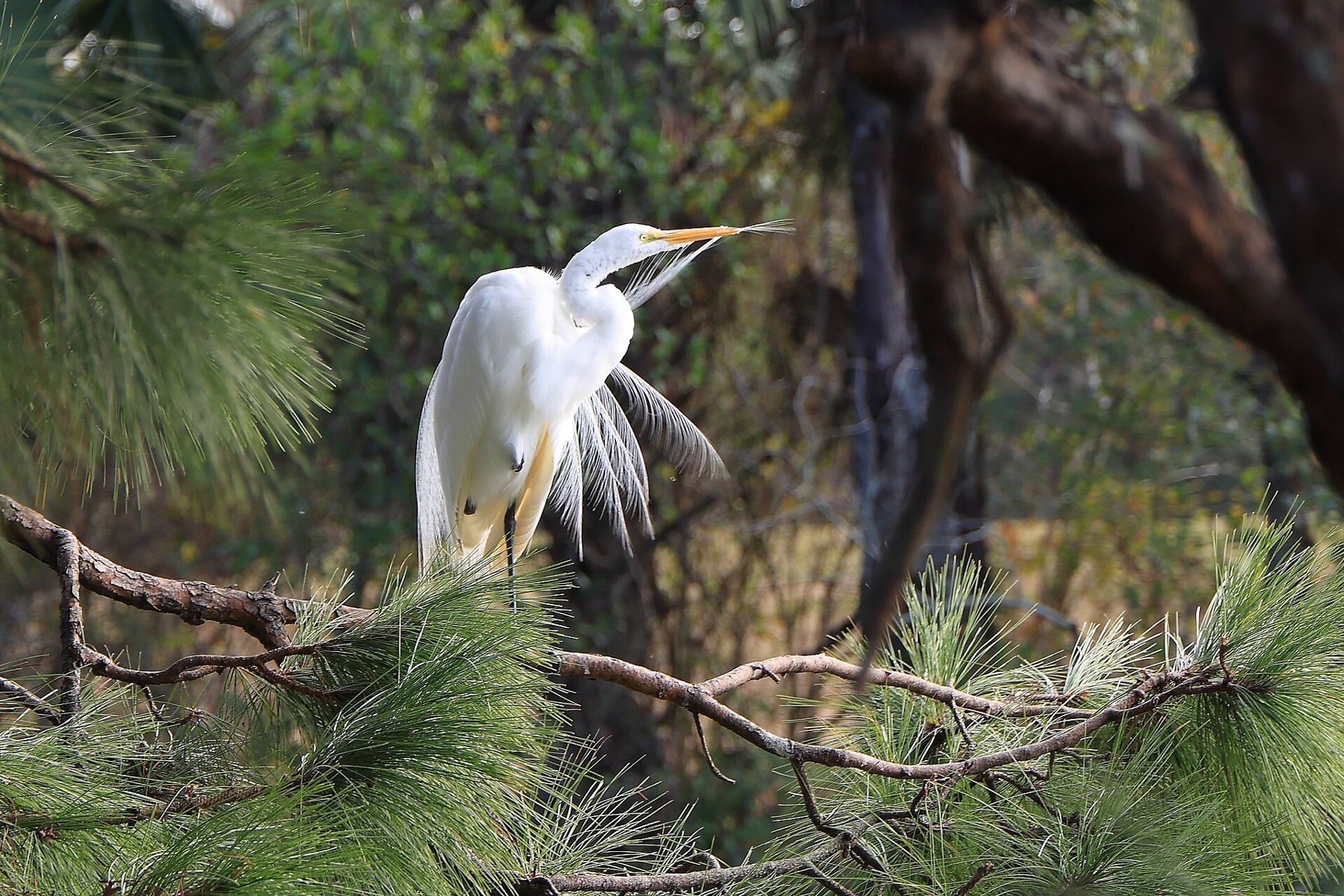
In spring, from about March to June, the island in the lagoon at Audubon Park becomes a busy rookery. Great egrets and snowy egrets, herons, cormorants, anhingas and sometimes roseate spoonbills nest in the trees, displaying breeding plumes and feeding noisy chicks. Benches on the shore give good views.
At the same time, migrating songbirds pass through. Warblers, vireos, orioles and tanagers can appear in the trees of City Park, especially in the woods of Couturie Forest, on good mornings after a night of migration.
Summer: wading birds
In summer, herons and egrets feed in lagoons, ditches and bayous across the city. Ibis probe the lawns after rain. Purple martins swoop over open spaces. The heat makes early morning the only comfortable time for birding.
Autumn: migration again
From September to November, migrants return south, with songbirds in the parks and hawks overhead. The weather is often still warm but easing.
Winter: ducks and pelicans
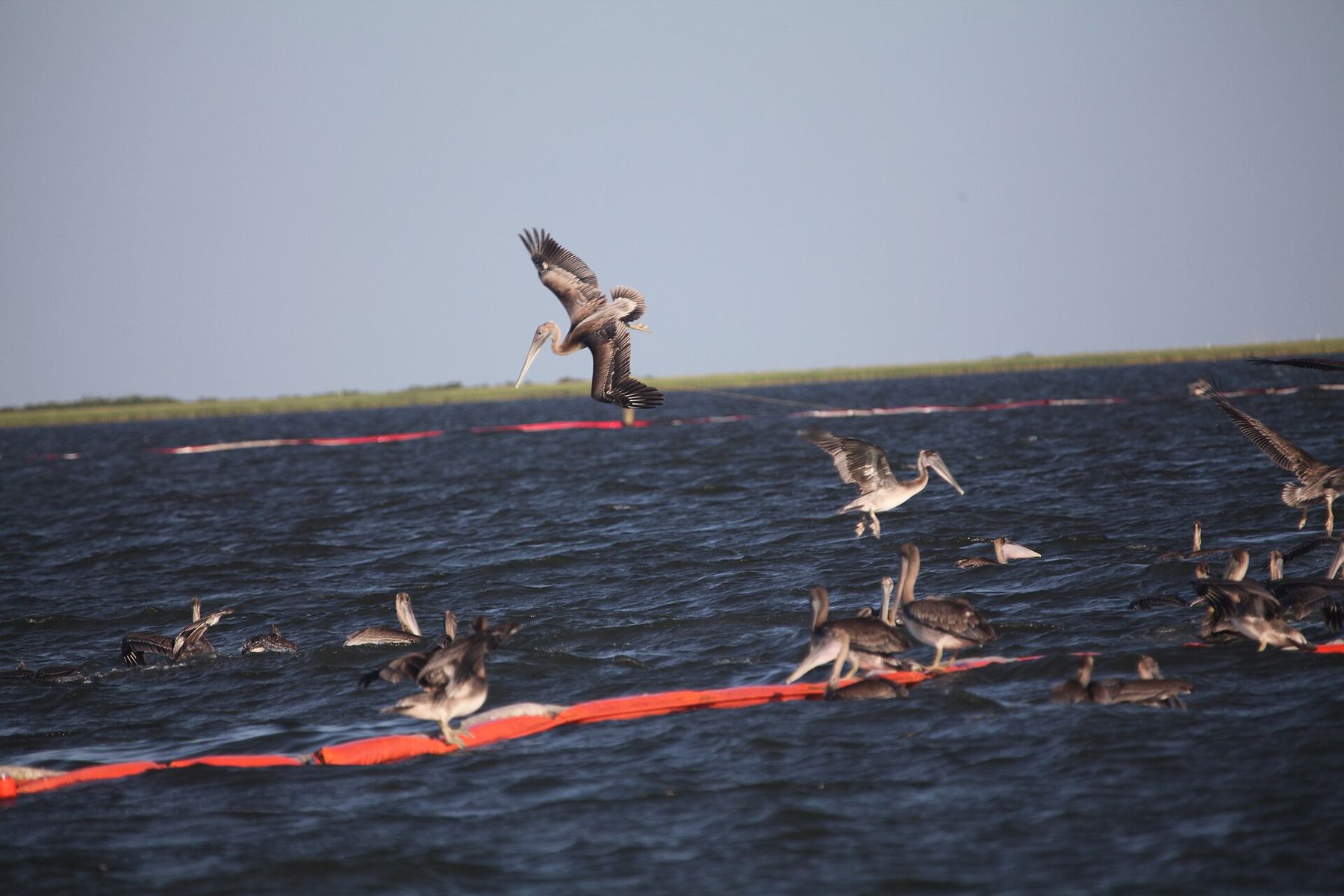
In winter, ducks gather on the lagoons and lakes, and brown pelicans, Louisiana's state bird, glide over Lake Pontchartrain and the river. Gulls, terns and cormorants crowd the lakefront. Birds from further north spend the winter in the city's woods and gardens.
Five birds to know
- Great egret: tall, white, with a yellow bill and black legs, often standing still in shallow water.
- Snowy egret: smaller, white, with a black bill and bright yellow feet.
- Brown pelican: large and brown, gliding low over the water and diving for fish.
- Anhinga: dark, snake-necked, often perched with wings spread to dry.
- Roseate spoonbill: pink, with a flat spoon-shaped bill, a thrilling sight when it appears.
The brown pelican's return
Another panel · The parksCouturie Forest and Laborde MountainOne to two hoursThe brown pelican is Louisiana's state bird and appears on its flag and seal. In the mid-twentieth century, it disappeared from the state, largely because of pesticides that weakened its eggs. After those chemicals were banned and birds were reintroduced, the population recovered. Seeing pelicans over the lake and the river today is a conservation success story.
Birds in the city's streets
Even away from the parks, birds are everywhere. Monk parakeets, bright green and noisy, nest in palm trees and on power lines in some neighbourhoods, descendants of escaped pets. Mockingbirds sing from rooftops. Chimney swifts circle at dusk in summer. Look up as you walk, and the city reveals another layer.
When the shade allows
Early morning is best in every season, when birds are most active and the air is coolest. Overcast days can be good too, as birds stay active longer. After spring storms, migrants sometimes pour into the parks, making for exceptional days.
Getting started
You do not need expensive equipment. A basic pair of binoculars and a field guide or a bird app are enough to begin. Start with the big, easy birds: egrets, herons, pelicans and ducks. Learn their shapes and habits, and then look for the smaller birds in the trees. Birdwatchers in New Orleans parks are usually friendly and happy to point out what they are seeing.
Keep notes of what you see and where. Over a few visits, you will notice the rhythm of the seasons in the city's parks, as birds arrive and leave.
Birding by the water
Many of the best bird sightings in New Orleans come from simply sitting by water. A bench by a lagoon in City Park or Audubon Park, a spot on the lakefront seawall, or a quiet stretch of Bayou St. John will bring herons, egrets, ducks and cormorants past you without any effort. Early morning and the hour before sunset are best. Bring binoculars, settle in, and let the birds come to you. Patience is the birdwatcher's most useful tool, and the city's waterside benches are made for it.
Seasonal highlights
- March to June: the Audubon rookery and spring songbird migration.
- July and August: wading birds at dawn in lagoons and bayous.
- September to November: autumn migrants and passing hawks.
- December to February: ducks, pelicans and gulls on the lake and lagoons, and wintering songbirds feeding quietly in the old oaks and city gardens.
Binocular manners
- Keep your distance, especially from nesting birds.
- Never feed wild birds; bread is bad for them.
- Stay on paths and keep dogs on leads.
- Be quiet and patient; birds come to those who wait.
Where to start
For the rookery, go to Audubon Park. For migrants, try Couturie Forest in City Park. For pelicans and ducks, walk the lakefront seawall, and for the wildest birding near the city, visit Bayou Sauvage.