Barataria Preserve: boardwalks through the swamp
Half an hour south of New Orleans, boardwalks lead through cypress swamp, bottomland forest and open marsh. Barataria Preserve is the easiest way to walk into the Louisiana wetlands.
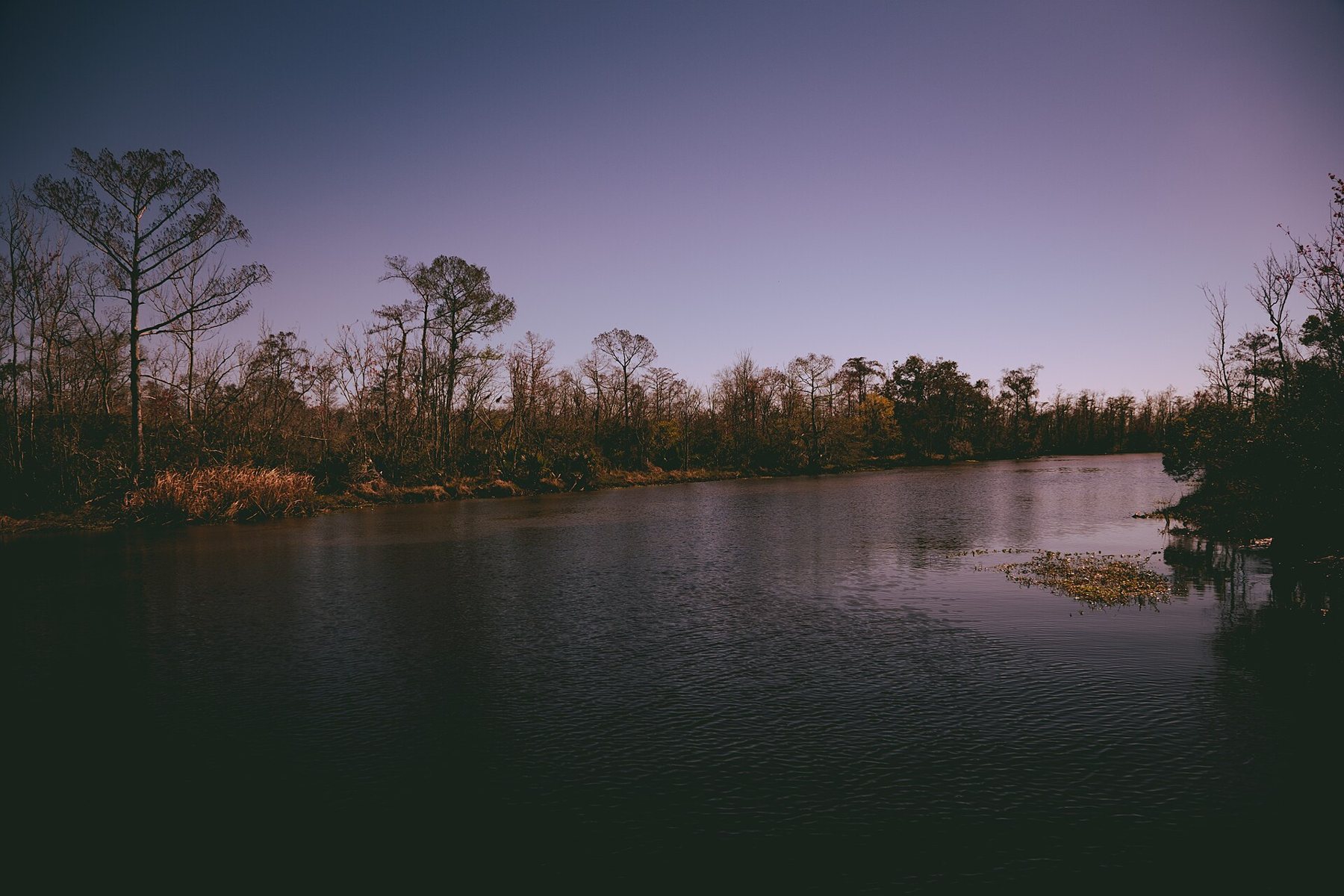
South of New Orleans, across the river near the town of Marrero, Barataria Preserve protects a stretch of the wetlands that once surrounded the city: cypress and tupelo swamp, hardwood forest on old natural ridges, and wide open marsh. It is one of the units of Jean Lafitte National Historical Park and Preserve, managed by the National Park Service. A network of trails and boardwalks makes it possible to walk deep into the swamp without getting your feet wet, and to see alligators, birds and the strange beauty of the Louisiana wetlands up close.
Swamp, forest and marsh
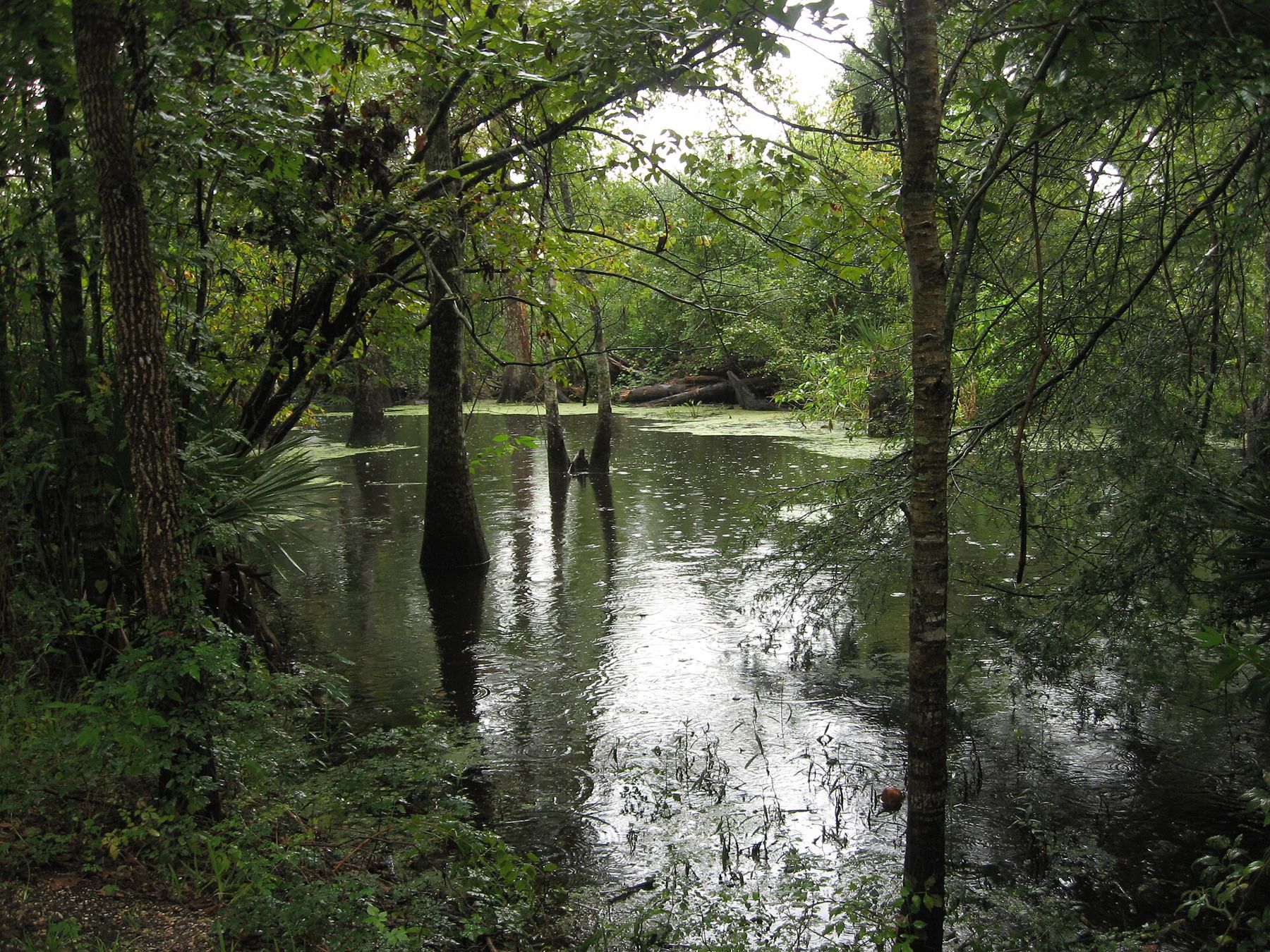
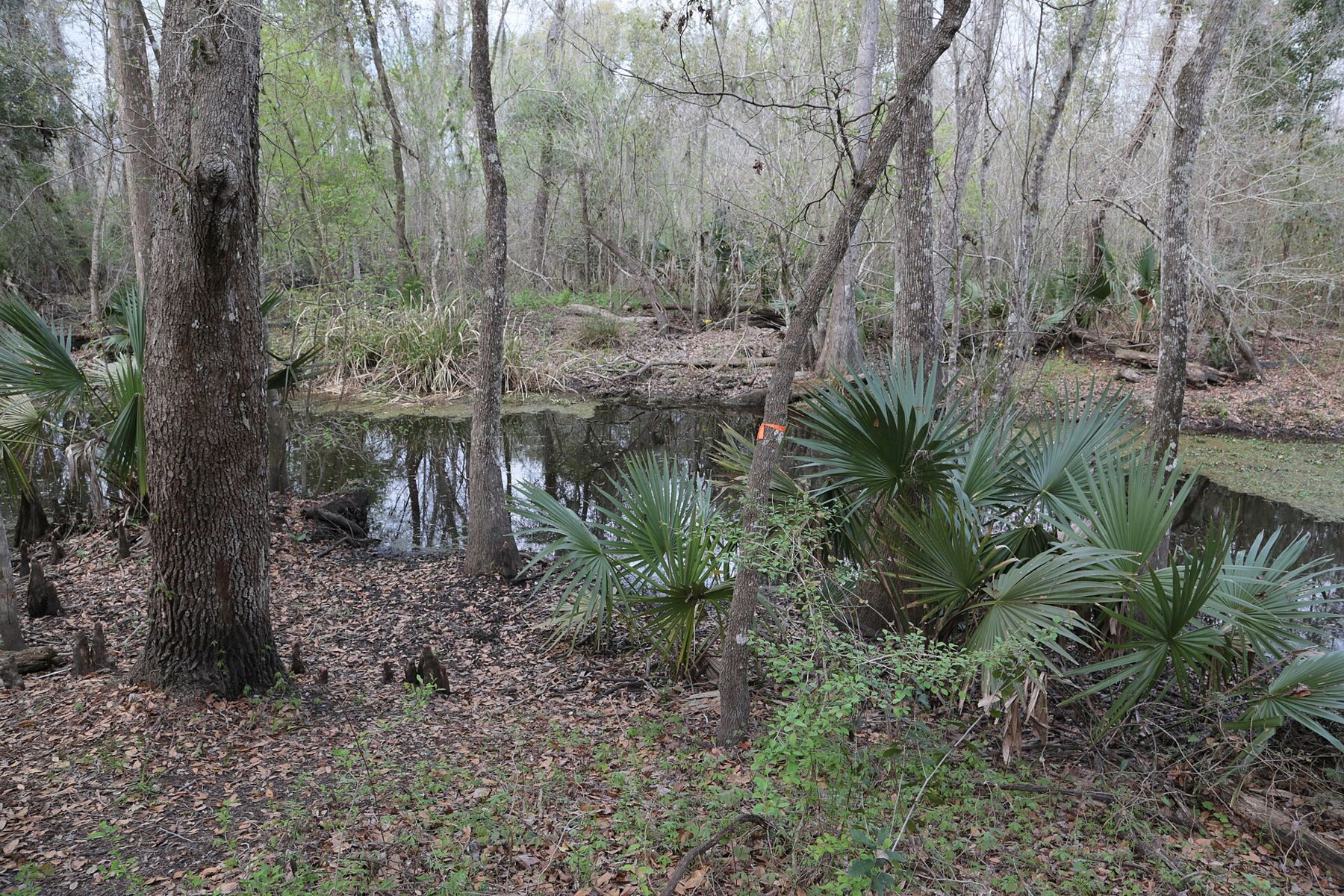
The preserve covers several kinds of wetland. Along the natural levees of old bayous, slightly higher ground supports hardwood forest of oaks, maples and palmettos. Lower down, the forest becomes swamp, with bald cypress and water tupelo standing in still water, their trunks swollen at the base, cypress knees rising around them. Beyond lies the marsh, open grassland in shallow water, stretching to the horizon. Each has its own plants and animals.
The boardwalks
Several trails, many on raised boardwalks, start near the visitor centre and parking areas. The Bayou Coquille Trail is one of the most popular, leading through forest and swamp to an overlook on the edge of the marsh, a walk of about a mile there and back. Other trails go deeper into the swamp or along old canals. The boardwalks are level and easy, but some sections may be closed for repairs after storms. Check the park's information before you go.
Each has its own plants and animals.
Alligators and other wildlife
American alligators live throughout the preserve and are often seen basking on banks or floating in the water, especially on warm, sunny days. Watch them from the boardwalk, never feed them, and keep a safe distance; they can move quickly. Other residents include turtles, snakes, nutria, armadillos and many kinds of birds: herons, egrets, ibis, woodpeckers and, in winter, waterfowl and songbirds from the north.
Spiders and insects
In late summer and autumn, large golden silk orb-weaver spiders build huge webs across the edges of the trails, their golden threads catching the light. They are harmless to people if left alone, but walking into a web is a surprise. Mosquitoes can be fierce at any time of year in warm weather; bring repellent and wear long sleeves.
A landscape under threat
Louisiana is losing coastal wetlands at a dramatic rate, as land sinks and erodes and salt water moves inland. The marshes of Barataria are part of this story. Visitor displays explain how the wetlands formed from the Mississippi's sediments, why they are disappearing, and how they protect the city from storms. A visit helps you see what is at stake.
Who was Jean Lafitte?
The park is named after Jean Lafitte, a pirate and smuggler who operated in the waterways of Barataria in the early nineteenth century, using the maze of bayous and islands to move contraband into New Orleans. He and his men later helped defend the city during the Battle of New Orleans in 1815. The story is part legend, part history, and the Barataria region's name has long been linked with him.
People of the wetlands
Another panel · Swamp trailsBayou Sauvage, a wildlife refuge inside the cityTwo to three hoursLong before Lafitte, Native American peoples lived in these wetlands for thousands of years, leaving shell mounds and other traces. Later, settlers of many backgrounds made their living here by fishing, trapping, hunting and logging the cypress. The preserve's exhibits and trails touch on this human history, from ancient sites to the canals cut by later generations.
Reading the swamp
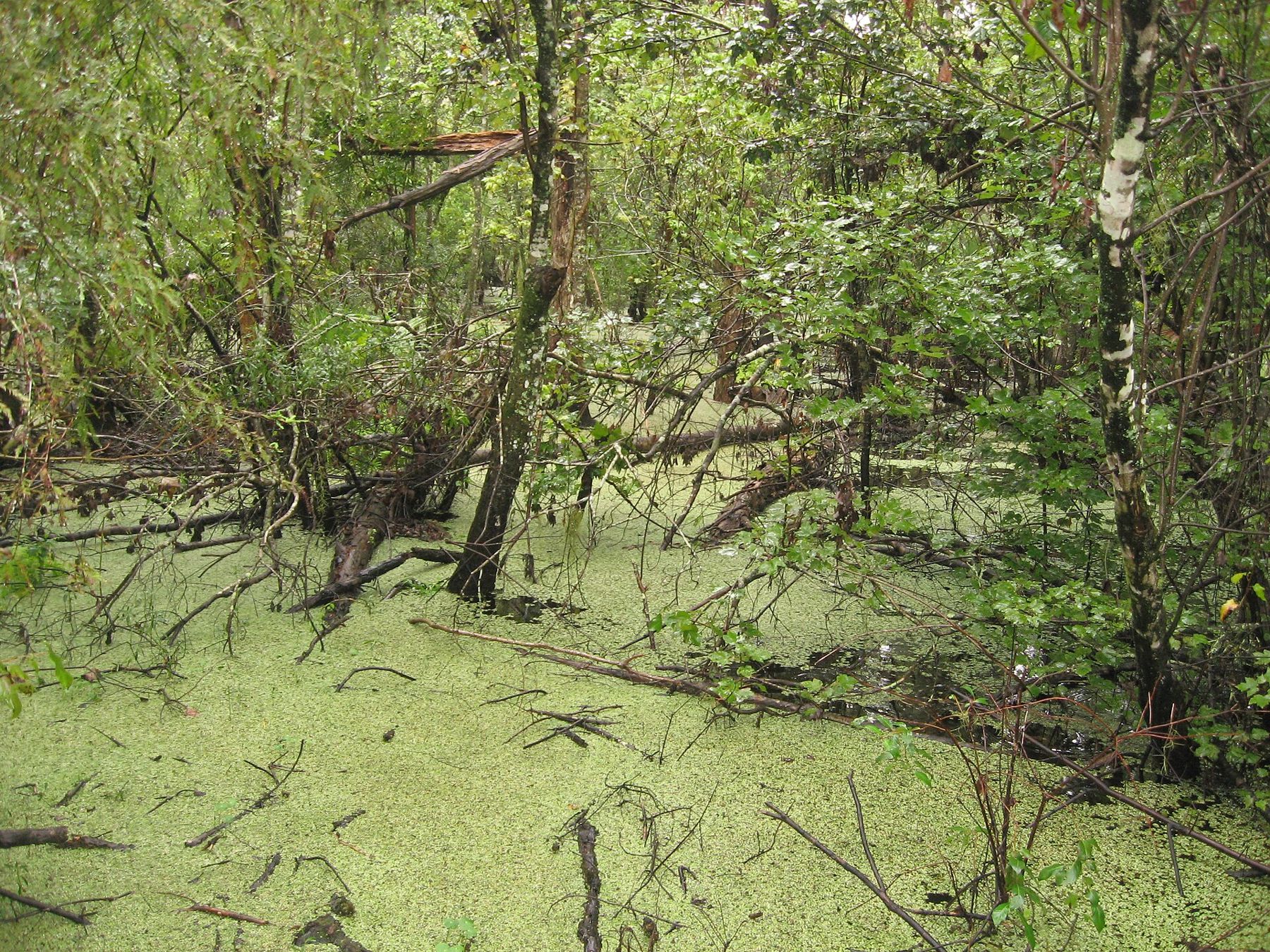
Take time to stand still on the boardwalk and look closely. Duckweed covers the water like a green carpet. Spanish moss hangs from the cypress. Palmettos spread their fans in the understorey. Turtles slide off logs, and fish ripple the surface. In spring, the swamp may be flooded and full of frogs calling; in late summer and autumn, water levels may drop. Every visit is different.
Paddling
Some of the preserve's waterways are open to canoes and kayaks, offering a different view of the swamp. Boat launches and rules are set by the park; check before you go. Paddling here requires care: watch for alligators, snakes and changing weather, and stay on marked routes.
The visitor centre
The preserve's visitor centre has exhibits on the wetlands, their wildlife and their people, with maps and advice on the trails. Rangers can tell you which boardwalks are open and what has been seen recently. It is a good first stop, especially for families. Its hours are limited and it may be closed on some days, so check before you go; the trails themselves are often open when the centre is closed.
With children
The boardwalks are flat and easy for children, and the chance of seeing an alligator is a strong attraction. Keep children close and on the boardwalk, and never let them lean over rails toward the water. Bring snacks, water and insect repellent. A short trail and a picnic make a good half-day out of the city.
Seasons in the swamp
In winter, the swamp is open and grey-green, with clear views between bare cypress trunks and ducks on the water. In spring, the trees leaf out in fresh green, irises bloom purple in the wet ground, and frogs call loudly at dusk. Summer brings dense growth, heat and insects, and alligators at their most active. Autumn sees the cypress needles turn rusty brown before they fall. Each season is worth a visit, if you prepare for it.
Gatepost notes
- Entry to the preserve's trails has generally been free; the visitor centre has limited hours. Check before you go.
- There is no public transport; drive, or join an organised trip.
- Stay on boardwalks and trails. The ground beyond is soft and the water can be deep.
- Carry water; there are few facilities.
- Trails can close in high water, after storms or for maintenance.
When the shade allows
The cooler months, from about November to February, are the most comfortable, with fewer insects and clear light. Spring brings flowers and nesting birds, and alligators become more active as the weather warms. Summer is hot, humid and buggy, but the swamp is lush; go early in the morning. Hurricane season, from June to November, can close the preserve.
Closer to the city, compare the urban refuge at Bayou Sauvage, and plan around the heat with the outdoor year. For birds across the region, see birds of the city parks.