The outdoor year in New Orleans
New Orleans is hot for a long time. The cool, clear months from November to February are best for long walks and the swamp; spring brings blossom; summer is for dawn and dusk.
New Orleans has a humid subtropical climate. Summers are long, hot and wet; winters are short and mild, with occasional cold snaps. For anyone planning time outdoors, the season shapes everything: where you walk, when you go out, how much water you carry. Here is how the year usually unfolds, in general terms. Weather varies from year to year, so always check the forecast.
November to February: the cool, clear months
The best months for long outdoor days are from about November to February. Temperatures are mild, often pleasant for walking all day, with clear skies after cold fronts and cooler nights. Occasional cold snaps can bring near-freezing temperatures for a day or two, and some days are grey and damp. Insects are fewer, and the swamps and refuges are at their most comfortable. Winter is also the season for waterfowl on the lakes and marshes.
March and April: blossom and festivals
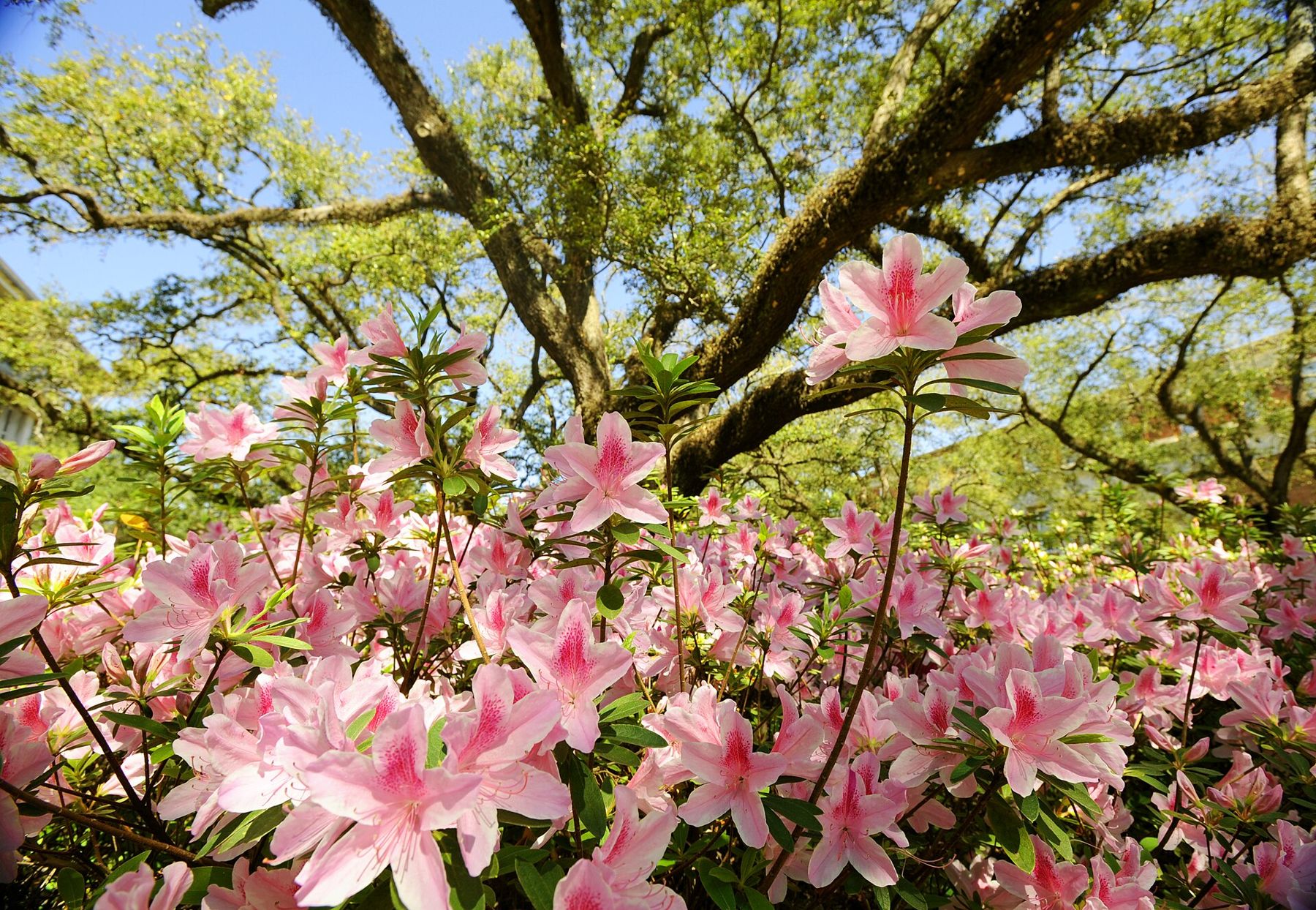
Spring comes early. Azaleas and magnolias bloom, the oaks shed old leaves and grow new ones, and the city's parks are at their greenest and busiest. Temperatures are warm and often lovely. This is also festival season in New Orleans, with outdoor music events and crowds. Thunderstorms become more frequent as spring goes on.
May to September: heat and storms
From May, heat and humidity build, and by summer, afternoons are hot and heavy, with heat index values well above the air temperature. Afternoon thunderstorms are common, often sudden and intense, with heavy rain, lightning and street flooding. Outdoors, the rule is simple: out at dawn, in by late morning, out again in the evening. Seek shade, carry plenty of water, and never underestimate the heat.
June to November: the storm months
Atlantic hurricane season runs from 1 June to 30 November, with the highest risk usually from August to October. Most weeks pass without a storm affecting New Orleans, but when one threatens, plans change quickly. Follow official forecasts and advice, and be ready to leave if told to. Parks, trails and ferries may close before and after storms.
October: easing off
October is often a turning point. The heat eases, the air becomes drier and the light softer. Evenings become pleasant again. It is a good month for the river and lakefront, with migrating birds passing through the woods and parks.
Rain, and lots of it
New Orleans is one of the wettest cities in the United States, with rain spread through the year rather than confined to one season. Summer brings frequent, short, heavy storms; winter brings longer spells of steady rain with fronts. Streets can flood quickly in heavy downpours, because the city is low and drains are pumped. Never walk or drive through flooded streets, and carry an umbrella in every season.
Another panel · Seasons and birdsBirds of the city parks, season by seasonAn hour or twoLight and the time of day
The quality of the light changes through the year too. In summer, the sun is high and harsh by mid-morning, and the best light for walking and photographs comes early and late. In winter, the sun stays lower all day, and the light is softer and clearer, especially after a cold front. Sunsets over the river and the lake can be spectacular in any season.
Weekend and festival crowds
The outdoor calendar also follows the city's festivals. Carnival, in the weeks before Mardi Gras, fills the streets with parades and crowds; spring brings music festivals in the parks; autumn has its own events. Parks near festival sites become busy. If you want quiet trails, check the festival calendar and avoid those days.
The best weeks
If you have a choice, the most reliable weeks for outdoor plans are usually in late October and November, and from late February into early April. The air is mild, storms are less frequent than in summer, and the parks are green. Winter is excellent too, if you pack for the occasional cold, damp day. Summer can be wonderful in the early mornings and evenings, as long as you plan the middle of the day indoors.
Magnolias, azaleas and oaks
Much of the city's outdoor year can be read in its plants. Azaleas paint gardens and parks in pink and white in early spring. Southern magnolias open their huge, scented white flowers in late spring and early summer. The live oaks drop their old leaves and put out new ones in spring, rather than in autumn, and stay green through the winter. Crepe myrtles flower through the hot months, and in autumn the bald cypress in the swamps turns rusty orange.
Whatever the month, check the forecast each morning.
Planning by the hour
Every page on this site gives a best hour and a shade rating, because in New Orleans, the hour matters as much as the month. In summer, choose deep shade, the morning and the water's edge. In winter, open sun can be welcome. A good outdoor day here is shaped like a dumbbell: active early and late, quiet in the middle.
In the bag, month by month
- Light, loose clothing, a hat and sunscreen for most of the year.
- A light rain jacket or umbrella for sudden storms.
- Insect repellent, especially near water.
- A warm layer from November to February.
- Comfortable shoes that can get wet.
For month-by-month detail, see the shade calendar. For the parks that suit summer, start with City Park under the live oaks, and for winter birds, read birds of the city parks. The swamp is best in the cool months: Barataria Preserve.