Couturie Forest and Laborde Mountain
At the northern end of City Park, a small forest of trails, ponds and wildflowers is one of the best places in New Orleans for birds, and it holds the city's highest ground.
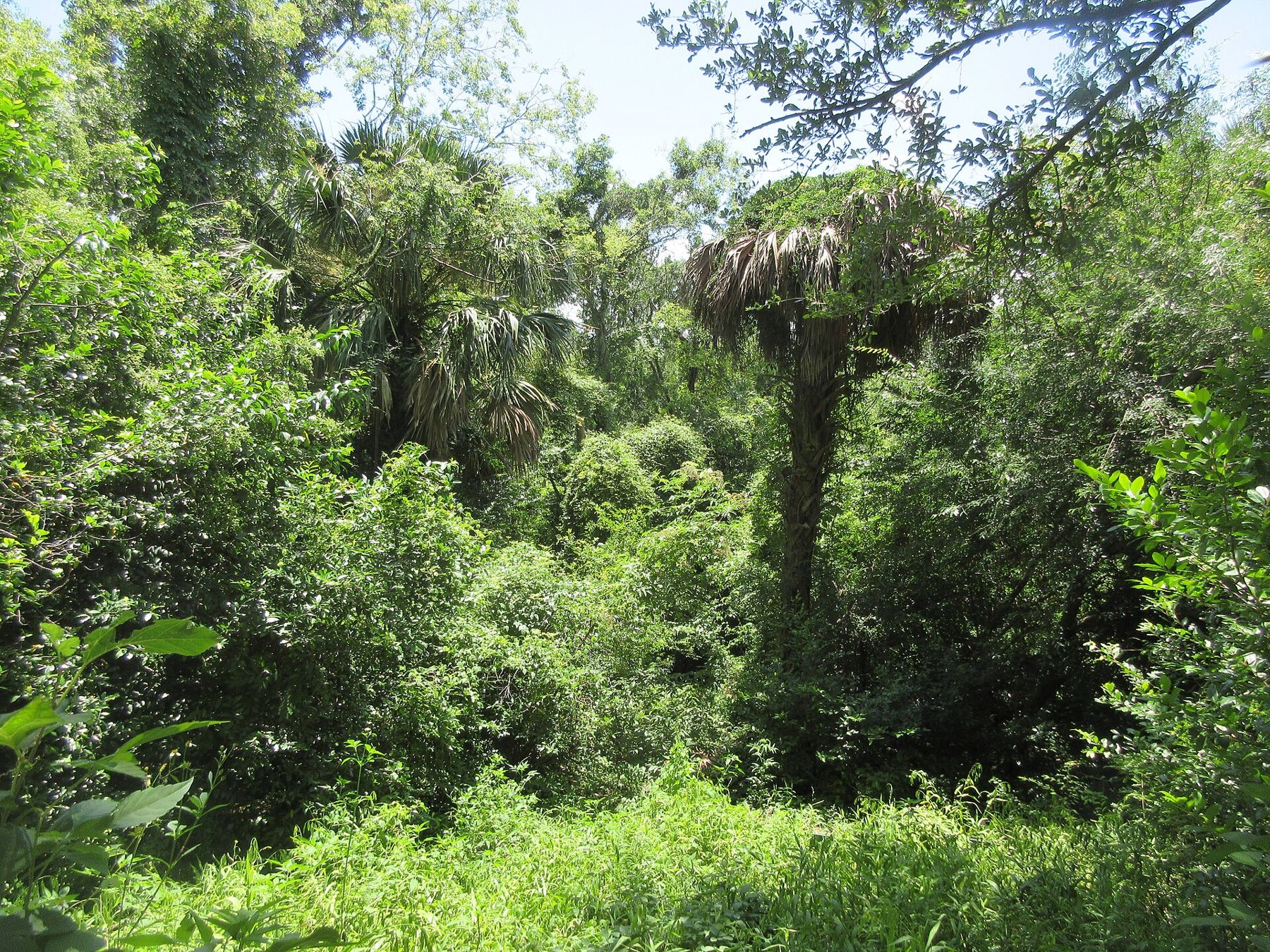
Most visitors to City Park stay near the museum and the lagoons at its southern end. Far fewer reach Couturie Forest, a woodland of about sixty acres near the park's northern edge. It is crossed by quiet trails through oaks and other trees, with ponds, wildflower patches and a little hill. For birdwatchers it is one of the most rewarding places in the city, and for anyone it is a shady escape from the streets.
Laborde Mountain
New Orleans is famously flat and low, much of it below sea level. In Couturie Forest stands Laborde Mountain, a mound of earth built up from material dug for the park's lagoons, rising to around 43 feet. It is often described as the highest point in the city. The "mountain" is gentle, and the view from the top is mostly of trees, but climbing it is a small local tradition, and a reminder of how low the rest of the city lies.
Forest paths
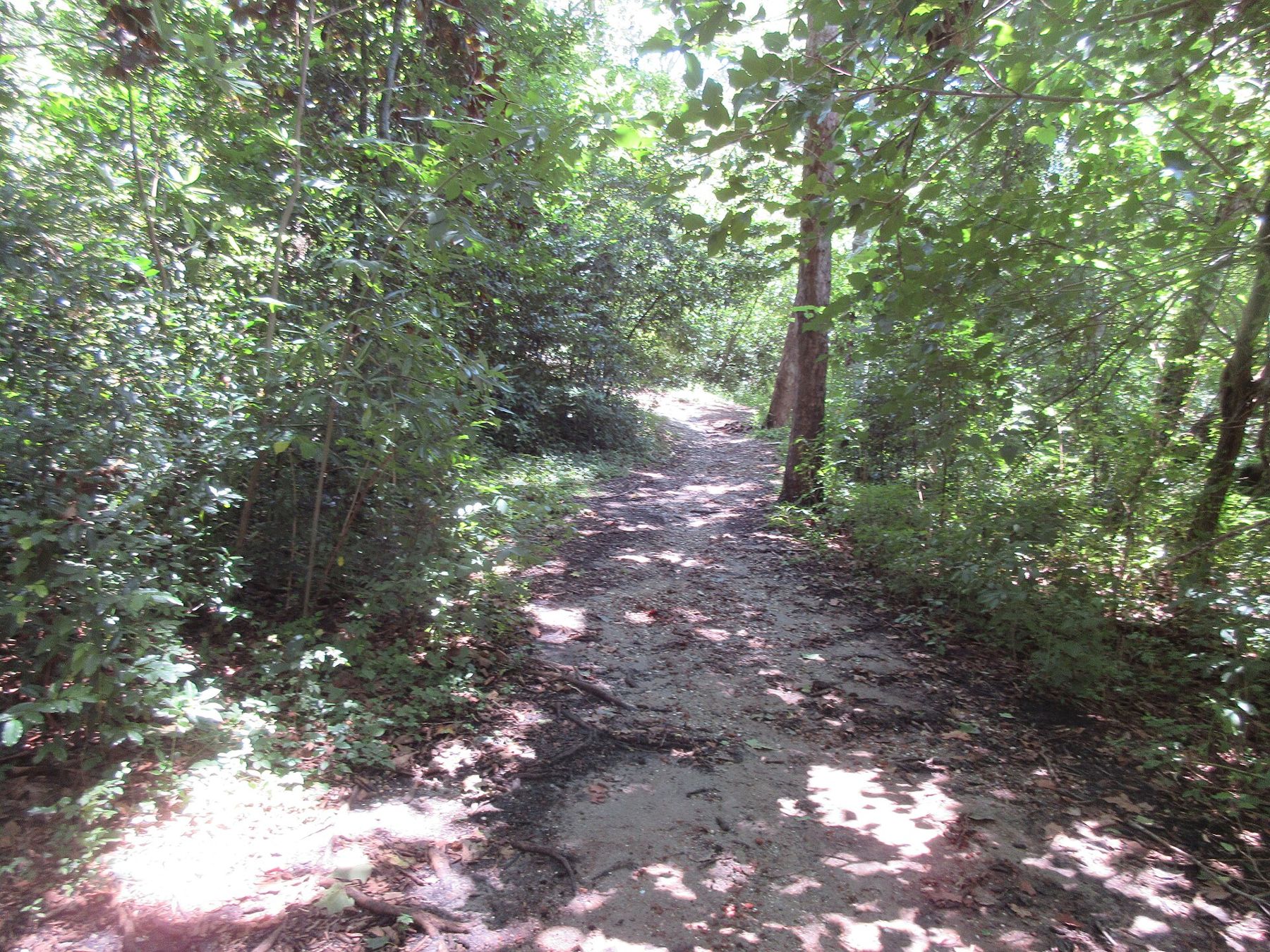
A network of short, mostly unpaved trails winds through the forest, around ponds and through open glades. They are easy walking, but can be muddy after rain. Take your time: the forest is small, and the pleasure is in slow walking and watching rather than covering distance. Signs at the entrances show the paths.
The forest is part of City Park and has been managed as an arboretum and natural area. Volunteers have planted native trees and wildflowers, and the area has been restored since the damage of Hurricane Katrina.
Birds in migration
New Orleans lies on one of the great migration routes of North America, along the Mississippi flyway. In spring and autumn, many small songbirds stop in the city's green spaces to rest and feed, especially after crossing the Gulf of Mexico. Couturie Forest is one of the places where they gather. Warblers, vireos, thrushes and tanagers can appear in the trees on good mornings, while herons and egrets fish in the ponds.
Spring migration, roughly March to May, and autumn migration, roughly September to November, are the best times. Go early in the morning, when birds are most active, and walk slowly with binoculars.
Insects and snakes
The forest is wild enough to have mosquitoes, ticks and, in the warmer months, snakes. Most snakes are harmless and shy, but a few venomous species occur in Louisiana's wetter areas. Stay on trails, watch where you step and put your hands, and give any snake plenty of room. Long trousers and repellent help with insects.
Trees of the little forest
The forest mixes live oaks with other trees of the region: bald cypress near the water, magnolias, hackberries and pines among them. In the open glades, wildflowers bloom in spring and autumn, attracting butterflies and bees. Some areas have been planted with native species to recreate the kinds of habitat that once covered more of the higher ground around the city, and small labels sometimes name the trees.
Another panel · Seasons and birdsBirds of the city parks, season by seasonAn hour or twoThe ponds attract turtles, frogs and dragonflies, and wading birds stalk the edges. In early morning, the forest is full of sound.
Volunteers and restoration
Much of the forest's recovery after Katrina was done by volunteers, who cleared fallen trees, planted new ones and maintained trails. Volunteer work days still take place from time to time. Joining one is a way to give something back, and to see the forest from the inside. Check City Park's information for current opportunities.
A city on low ground
Laborde Mountain's modest height says a lot about New Orleans. Much of the city lies below sea level, protected by levees and drained by pumps. The higher ground, along the river and old natural ridges, is where the oldest neighbourhoods were built. Standing on a man-made hill to reach the city's highest point is a small, memorable lesson in its geography.
Who you will meet
The forest is used by birdwatchers with long lenses, runners on the trails, families exploring and people simply walking for the quiet. On spring migration mornings, birdwatchers often share sightings; if you see a group looking up into a tree, quietly ask what they have found. Keep dogs on a lead and voices low, and the forest will reward you.
A morning walk plan
Arrive soon after first light, walk slowly around the main loop past the ponds, climb Laborde Mountain for the small view over the treetops, and finish at the open glades where butterflies gather as the sun warms them. An hour or so is plenty for a first visit. If you are birdwatching in migration season, plan to stay longer and to stand still in one place for a while: birds often move through in waves.
The road up
Couturie Forest is near the north end of City Park, well beyond the streetcar stop. It is easiest to reach by car or bicycle along the park's roads, or as part of a long walk from the south end. Check the park's map for entrances and parking.
When the shade allows
Early morning in spring and autumn is best for birds and for comfort. In summer, the shade helps, but the humidity and insects are intense; go at first light. In winter, the forest is quiet, with fewer leaves on some trees and wintering birds in the undergrowth.
For the oaks and lagoons at the park's southern end, see City Park under the live oaks. For a calendar of birds across the city, read birds of the city parks, and for the heat that shapes every outing, the outdoor year.