Bayou St. John by paddle or on foot
The old waterway that brought the French to New Orleans now runs quietly through Mid-City between grassy banks. Walk it, sit beside it, or paddle it on a calm morning.
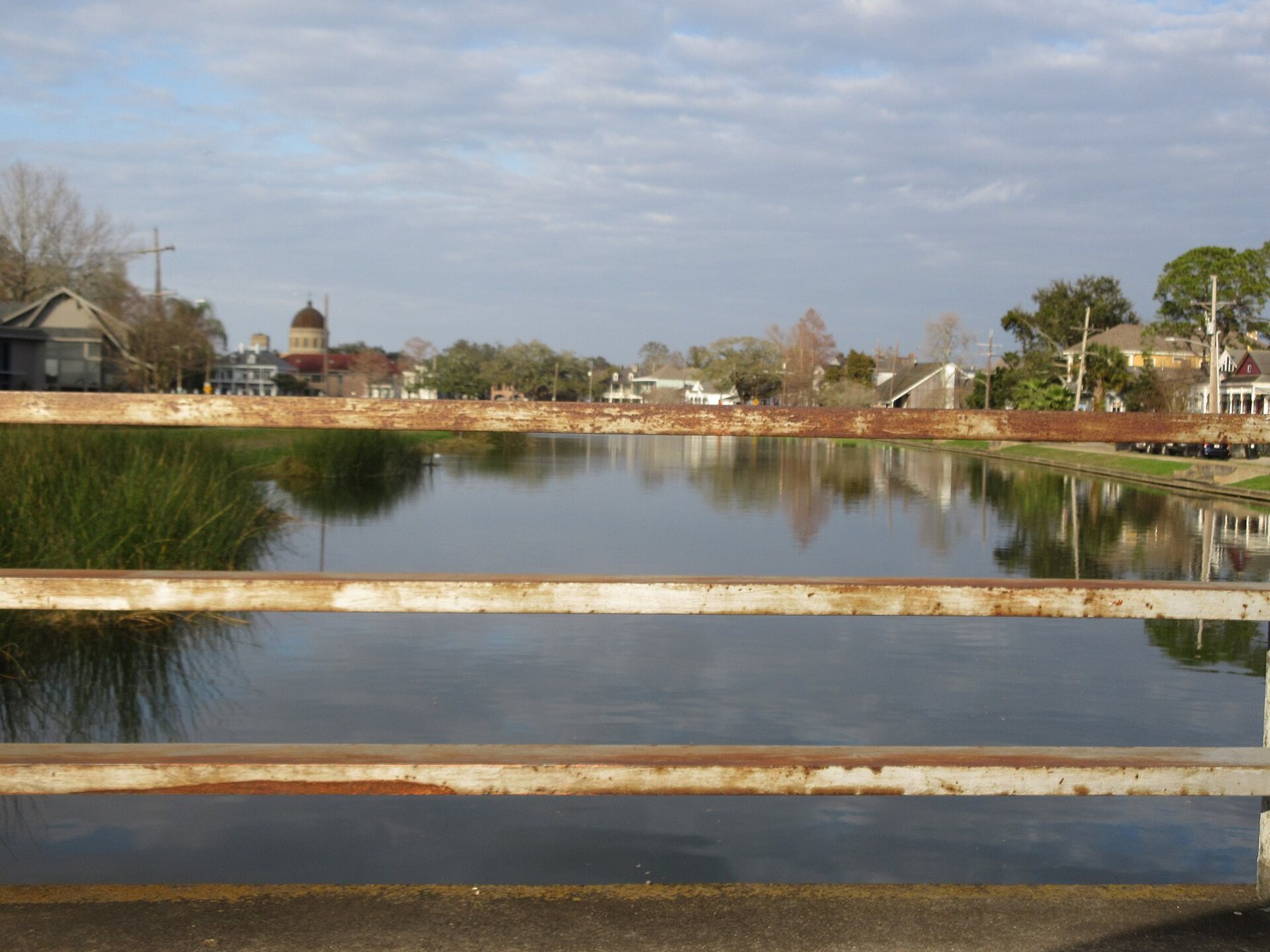
Bayou St. John is a slow, narrow waterway running through Mid-City New Orleans, from near the edge of City Park south toward the old city. Grassy banks slope down to the water on both sides, lined with houses old and new, and there is a path along much of its length. On a calm morning, with herons fishing and kayaks gliding past, it feels like a village green with a river through it.
The waterway that founded a city
Long before the French arrived, the bayou was part of a route used by Native Americans to travel between Lake Pontchartrain and the Mississippi. A short overland portage connected the head of the bayou with the river. When French explorers learned of it, they saw its importance: it offered a way to reach the river from the Gulf without the difficult passage up from the Mississippi's mouth. The site of New Orleans, founded in 1718, owed much to this connection.
Over the following centuries, the bayou became a working waterway, and later a canal linked it more directly to the old city. Today it is used only for recreation, and its water level is controlled.
The Magnolia Bridge and Pitot House
A small metal footbridge, known as the Magnolia Bridge, crosses the bayou near Esplanade Avenue. It is a favourite place to stand and look along the water. Nearby, Pitot House, a raised Creole colonial house from around 1800, overlooks the bayou and is open as a historic house museum on certain days; check its hours. Other old houses along the banks recall the time when this was a country retreat for city families.
Paddling
The bayou's calm water makes it one of the easiest places in the city for kayaking and paddleboarding. Kayaks can be rented nearby in season; this guide names no businesses. Paddle on calm mornings, when the water is smooth and boats are few. Wear a life jacket, watch for low bridges and keep away from any outflows. Swimming is not advised.
Walking the banks
A path follows the bayou on both sides for much of its length. A walk from near City Park south toward the Lafitte Greenway takes about an hour at an easy pace. The banks are open grass with trees in places, so shade is limited at midday. In the evening, people bring picnics and sit on the grass to watch the light fade over the water.
Festival days
On some festival days the bayou becomes a gathering place. Local celebrations and music events take place on its banks at times, and on Mardi Gras day and other occasions, groups of Black Masking Indians in elaborate beaded suits may be seen in the surrounding neighbourhoods. If you are lucky enough to encounter them, watch respectfully and ask before taking photographs.
Another panel · The parksCity Park under the live oaksHalf a dayLife along the banks
The neighbourhood around the bayou is one of the most pleasant in the city: tree-lined streets, old raised houses with porches, and a mix of long-time residents and newcomers. People walk dogs, jog, fish and sit on benches by the water. In the evening, the banks fill with neighbours chatting, and on weekends there may be picnics, yoga and music. It is a living neighbourhood, not a tourist sight; enjoy it on those terms.
Life in the bayou
The bayou attracts herons, egrets, ducks and cormorants, and sometimes pelicans. Turtles bask on the banks, and fish rise to the surface. In warmer months, keep an eye out for snakes in the grass near the water's edge. Alligators are very rarely seen this deep in the city, but as anywhere in Louisiana, it is wise to watch where you step near water and never feed wildlife.
Toward the lake
North of City Park, the bayou continues toward Lake Pontchartrain. Near its mouth stand the ruins of an old Spanish fort, part of the defences that once guarded the route into the city from the lake. The area is quieter and less visited, with open lawns and views toward the lakefront.
Best times on the water
Early mornings in spring and autumn are ideal for paddling, with still water, cool air and birds feeding along the banks. Summer mornings are fine too, before the heat. Afternoons can be windy, which makes paddling harder, and summer storms build quickly. Always check the forecast before heading out, and come ashore at the first sign of thunder.
A short history walk
Start at Pitot House and the Magnolia Bridge, then walk along the bank toward City Park, looking at the old houses that once stood on country estates beside the water. Imagine the bayou as a working route, with boats carrying goods from the lake toward the city. The walk takes under an hour and makes a good introduction to the oldest story in New Orleans: how a waterway decided where the city would be.
The road up
The Canal Street streetcar line to City Park runs close to the bayou along Carrollton Avenue and near Esplanade, and the bayou is a short walk from City Park's main entrance. The Lafitte Greenway connects the bayou with the edge of the French Quarter for walkers and cyclists.
Gatepost notes
- Bring water and sun protection; the banks are open.
- Mosquitoes are active at dawn and dusk.
- Do not feed the wildlife.
- Respect private property along the banks.
Continue to the oaks of City Park, or follow the old canal line south on the Lafitte Greenway. For the lake at the bayou's northern end, see the lakefront seawall.