The ferry to Algiers Point
A passenger ferry crosses the Mississippi from the foot of Canal Street to Algiers Point in a few minutes. On the far side wait a levee walk, quiet streets of old cottages and the best view of the city.
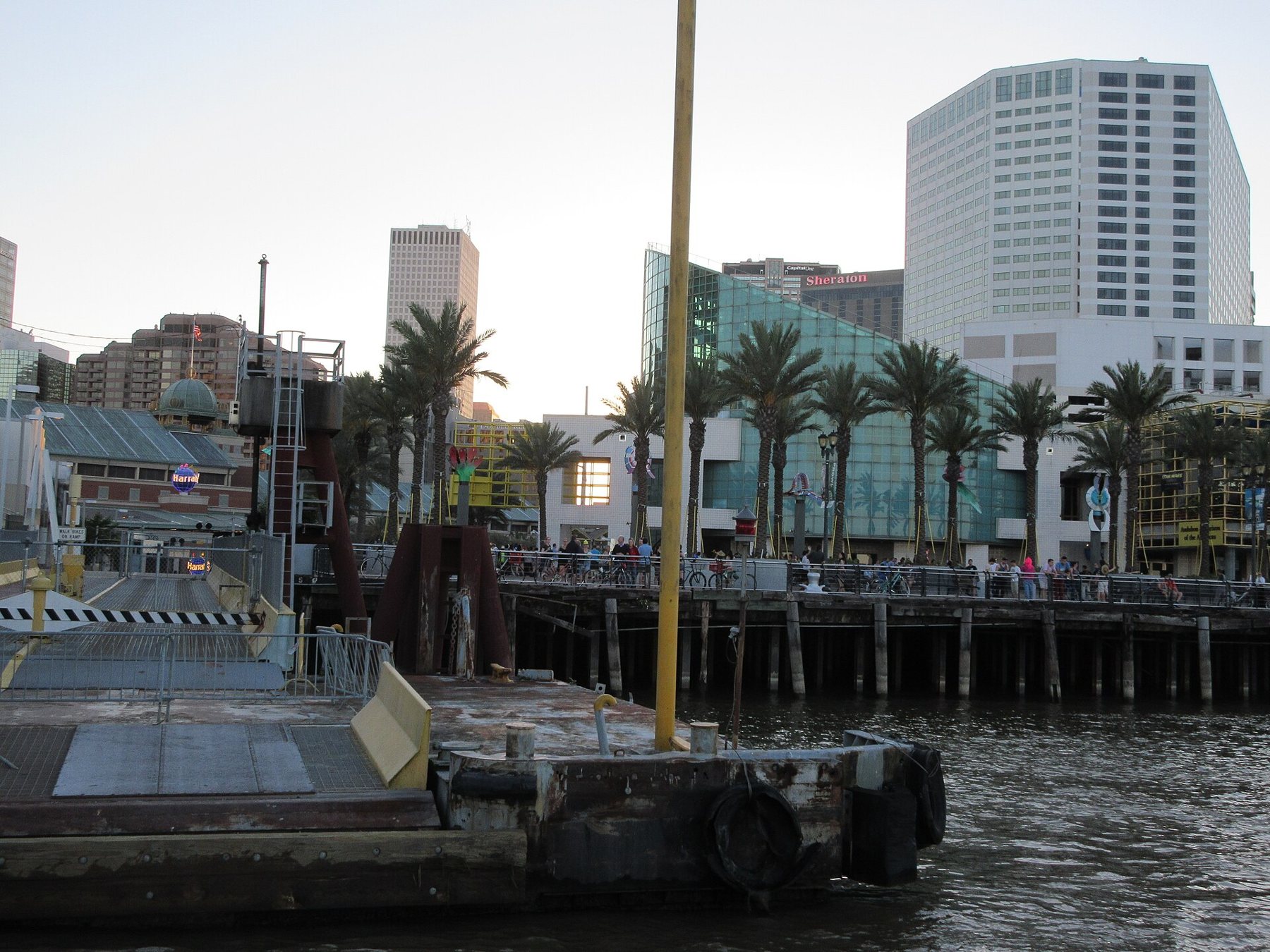
The cheapest river cruise in New Orleans lasts a few minutes. From a terminal at the foot of Canal Street, a passenger ferry crosses the Mississippi to Algiers Point on the west bank. The crossing gives close views of the river and its traffic, and on the far side lies one of the city's quietest old neighbourhoods, with a levee path that offers the best view back at the downtown skyline.
A ferry with a long history
Ferries have crossed the river between the city and Algiers since the early nineteenth century, making this one of the oldest ferry routes in the United States. For much of that time, they were a vital link before bridges were built. Today the service is run as part of the city's public transport, mainly for pedestrians and cyclists. Fares, schedules and terminals change, so check the current arrangements before you go.
The crossing
The ride is short, but it is worth standing at the rail or a window. As the ferry pulls away from the east bank, the skyline of downtown and the French Quarter opens up behind you. Mid-river, you feel the current tugging at the boat, and ships and barges pass close by. Then Algiers Point approaches, with its levee, church spire and low roofs.
Algiers Point
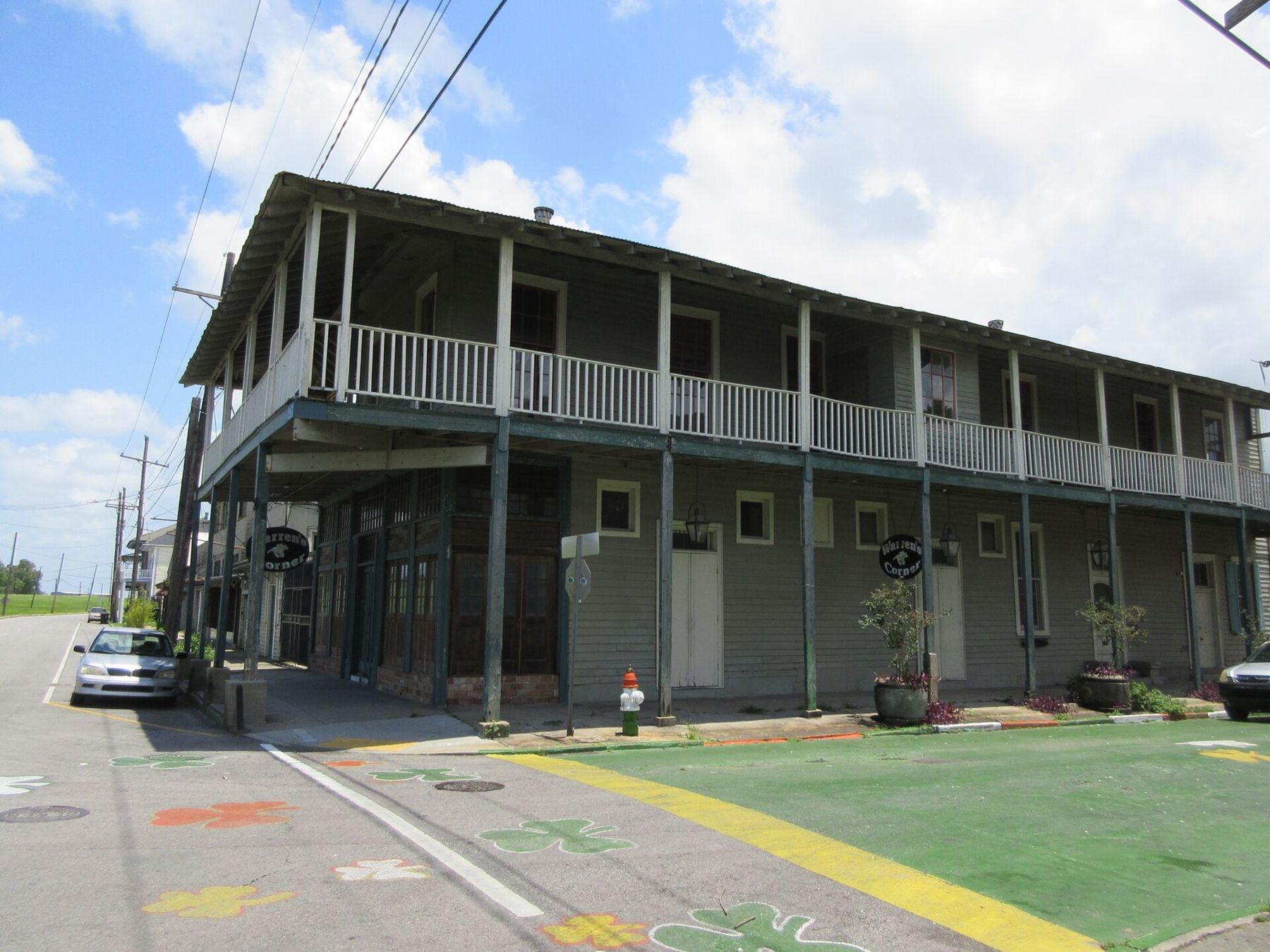
Algiers Point is a small historic neighbourhood on the tip of land inside a bend of the river. Its streets are lined with Creole cottages, shotgun houses and Victorian homes, many beautifully restored, with porches and gardens. It feels like a small town, quiet and residential, a world away from the crowds across the water. A gentle walk around its streets takes an hour or so.
The levee walk
From the ferry landing, a path runs along the top of the levee around the point. Walk it for the view of the city: the downtown towers, the bridges, the old city and the river curving in front of them. In the late afternoon and at sunset, the light on the skyline is beautiful, and after dark the city lights reflect in the river.
Along the levee walk, lamp posts carry plaques honouring jazz musicians with links to Algiers, forming a small musical walk of fame. Benches along the way invite you to sit and watch the ships.
Algiers' history
Algiers has been part of New Orleans since the nineteenth century, but it has always felt separate, across the river. It was a place of shipyards, dry docks and railway yards, and home to workers and their families. Many musicians came from here and from the surrounding west bank communities, which is why the jazz walk on the levee honours them. A fire in the late nineteenth century destroyed much of the old town, and many of the houses you see date from the rebuilding that followed.
Walking the point
Another panel · Levee pathsThe levee: walking and cycling beside the MississippiAn hour or a dayFrom the ferry landing, a good loop takes in the levee path around the point, then turns inland through the old streets, past the church and small squares, and back to the landing. Look at the details of the houses: gingerbread trim, shutters, porches and gardens bursting with plants. Some corner buildings house small local businesses; this guide names none.
Looking back at the skyline
The view of the city from Algiers Point is one of the best in New Orleans. From here, you can see the French Quarter's riverfront, the cathedral's spires, the downtown towers and the long bridges over the river, all framed by the curve of the Mississippi. It is particularly fine in the hour before sunset, when the light falls on the city's face, and at night, when the lights double in the water.
If you have time, combine the crossing with an evening on the Algiers levee. Bring a picnic, sit on the grass, and watch the sun go down behind the city while the ships go by. Then ride the ferry back across the dark river toward the lights of Canal Street.
A slow afternoon
Algiers Point suits an unhurried afternoon. Cross in the early afternoon, walk the streets while the light is high, rest on a bench on the levee, and then wait for the sunset over the city before catching a ferry back. The contrast between the quiet west bank and the busy French Quarter across the water is part of the pleasure.
Catching the boat back
The ferry runs to a schedule, with services that are less frequent at some times and may end in the evening. Note the last crossing back before you set off, and arrive at the landing a little early. Services can be suspended in bad weather, high water or for maintenance; check before travelling, especially in the evening.
With a bicycle
The ferry usually carries bicycles, making it easy to combine the crossing with a ride along the west bank levee, which runs for miles in both directions. Rules on bikes and capacity can change; check before you go.
Gatepost notes
- Carry the exact fare or a valid pass; payment options change.
- The levee path has little shade; bring water and a hat.
- Algiers Point is residential; keep noise down and respect homes.
- Stay well back from the river's edge.
For the long path along the river on the east bank, see the levee path. For another riverside park, read Crescent Park, and for the heat and storms that shape the day, the outdoor year.