City Park under the live oaks
One of the largest urban parks in the country, City Park holds a grove of live oaks older than the city itself. A morning loop of its lagoons is the best way to start a New Orleans day.
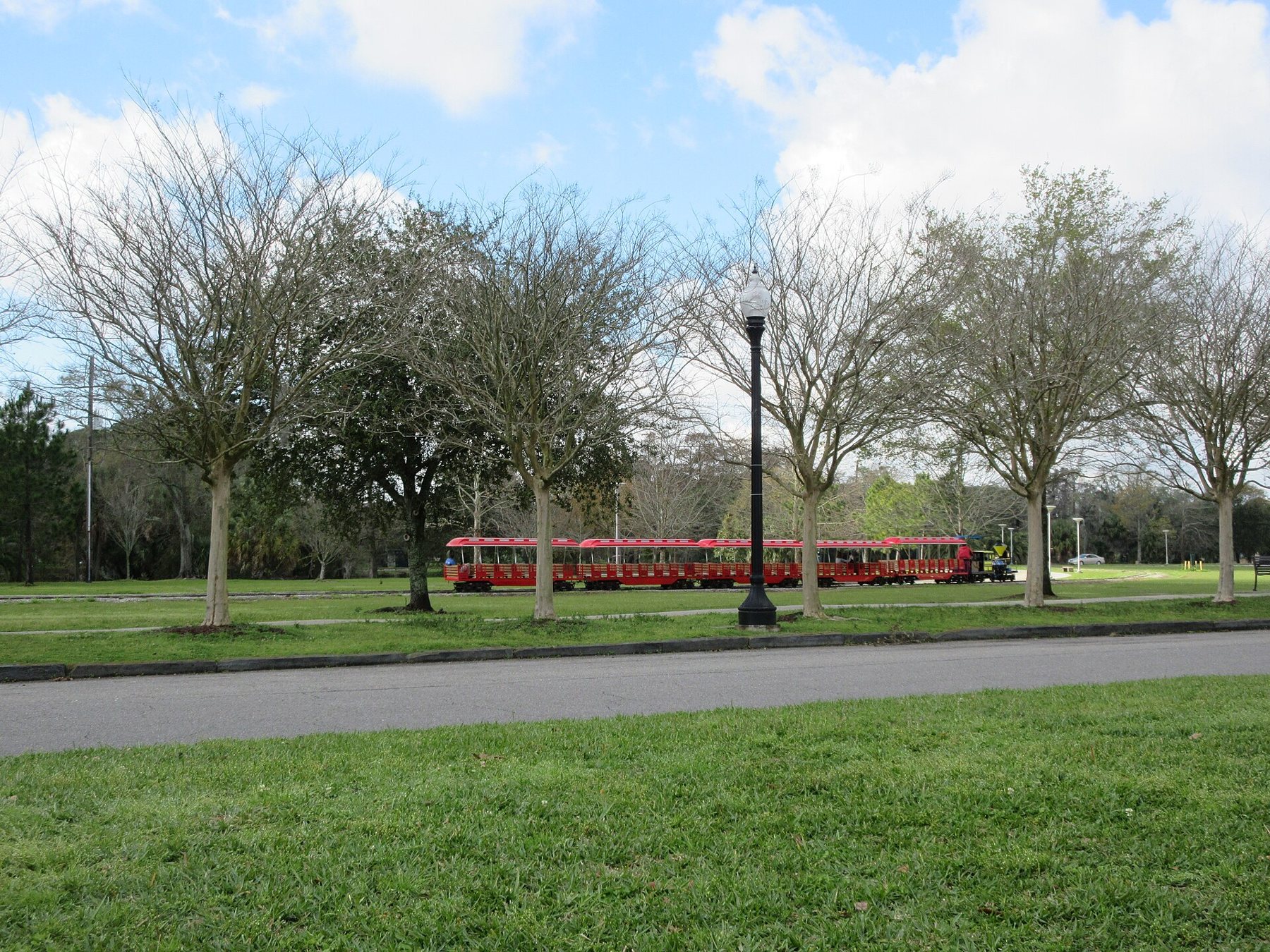
City Park stretches north from the end of Esplanade Avenue toward Lake Pontchartrain, a long band of lawns, lagoons, woods and gardens covering around 1,300 acres. It is larger than New York's Central Park, and older than most American city parks, with land first set aside in the 1850s. But the reason to come is not its size. It is the oaks: hundreds of live oaks, some of them many centuries old, spreading their great limbs low over the grass, draped with Spanish moss and ferns.
The live oaks
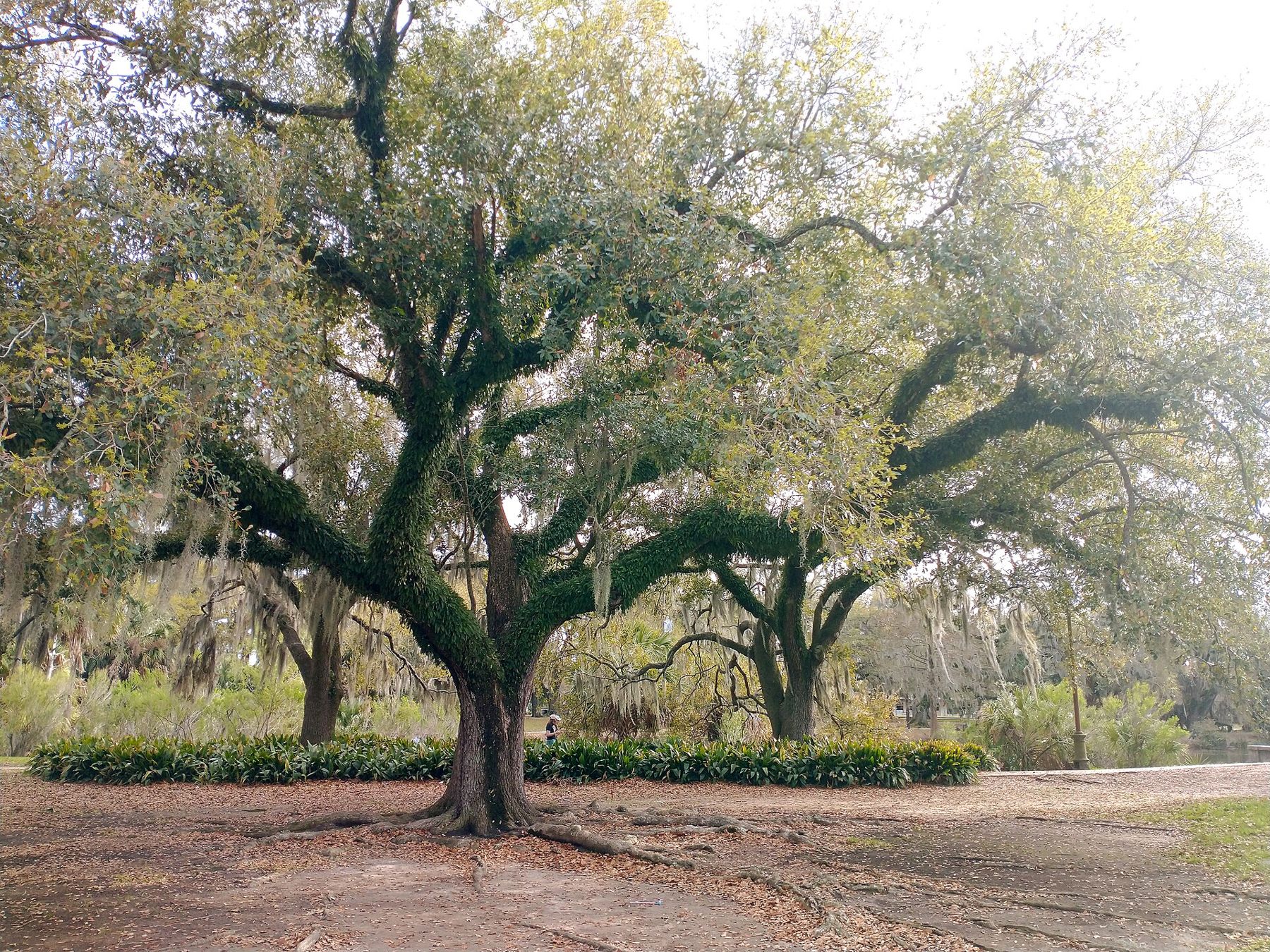
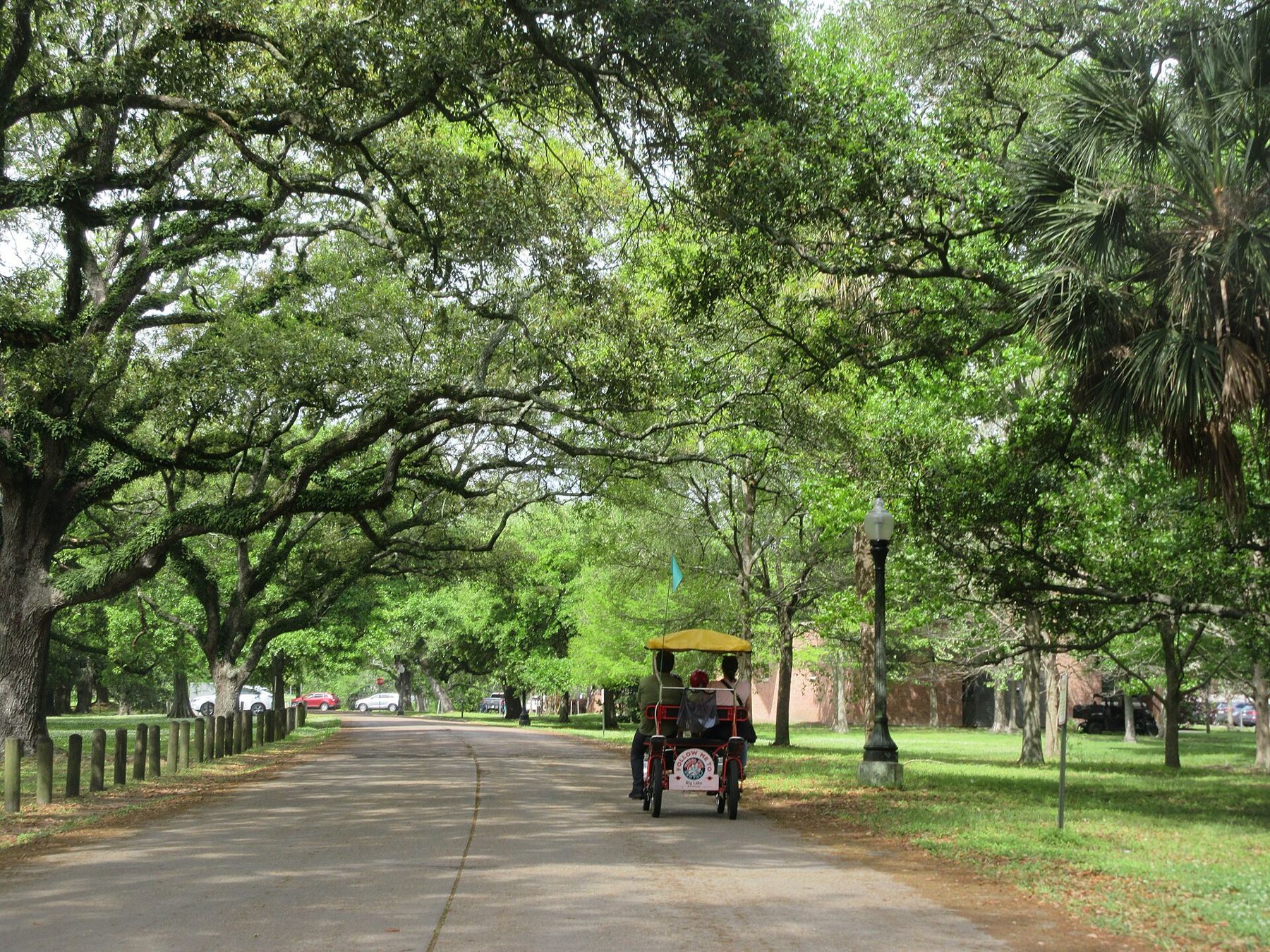
The southern live oak is the defining tree of New Orleans. It keeps its leaves through the winter, hence the name, and grows broader than it does tall, with heavy branches that sweep down to the ground and back up again. City Park has one of the largest collections of mature live oaks in the world. Some of the oldest are thought to be several hundred years old, standing here long before the city was founded in 1718.
Look closely at the bark and branches. Resurrection fern grows along the limbs, curled brown and dry in drought, then unfurling green within hours of rain. Spanish moss, which is not a moss at all but a relative of the pineapple, hangs in grey curtains. The oaks are protected, and you will see signs asking visitors not to climb them: the branches are heavier and more fragile than they look.
The Dueling Oaks and the McDonogh Oak
Two groups of trees have their own stories. Near the art museum, the Dueling Oaks recall the early nineteenth century, when the park's land was a favoured place for gentlemen to settle quarrels with swords and pistols. Only one of the original pair survives. The McDonogh Oak, one of the park's largest and oldest trees, is named for John McDonogh, the merchant whose estate helped bring the land into public ownership.
The southern live oak is the defining tree of New Orleans.
A morning loop
The park is large enough to need a plan. A good first walk starts at the main entrance at the end of Esplanade Avenue, near the art museum. Follow the lagoons north past the Peristyle, a white columned pavilion built in 1907 on the water's edge, with stone lions guarding its steps. Continue through the oak groves, cross one of the little bridges, and circle back along the water. An hour at an easy pace covers it, with plenty of shade along the way.
Further north, Big Lake has a paved path around it, more open and sunny, with views across the water and a good place for a longer walk or run. The northern part of the park is quieter, with golf courses, sports fields and the small wooded area of Couturie Forest.
What else is in the park
- The New Orleans Museum of Art and its free sculpture garden, near the main entrance.
- The botanical garden, with themed gardens and a conservatory; it charges entry.
- An amusement park and an antique carousel, popular with families; both charge.
- Couturie Forest, a small woodland with trails and birdlife.
Opening hours and fees for the attractions inside the park change, so check before you go. The park's lawns, lagoons and oak groves are free to wander.
Another panel · The parksThe sculpture garden by the lagoonAn hour or twoMorning in the park
Early morning is when City Park belongs to the people who live near it. Runners and walkers circle the lagoons, older men fish from the banks, and dog walkers gather in the shade. Mist sometimes hangs over the water in the cooler months, and the light comes low through the oak branches. By mid-morning, families and visitors arrive, and in summer the heat starts to build. If you can, come before eight.
Benches line the paths under the trees. Bring a coffee, sit for a while and watch the park wake up. Herons stalk the shallows, turtles bask on logs, and squirrels race along the branches overhead.
The Peristyle and the bridges
The Peristyle, a long open pavilion with Ionic columns, stands on the bank of the lagoon near the museum. It was built for dances and gatherings in the early twentieth century and is still used for events. Its steps, guarded by stone lions, lead down to the water. Nearby, several small bridges cross the lagoons, some in concrete made to look like rustic timber, a style popular in the early twentieth century. They make good viewpoints over the water and the oaks.
Picnics and lawns
The park's open lawns, especially near the lagoons, are popular for picnics, games and family gatherings, particularly at weekends. Find a spot under an oak for shade. Grilling and large gatherings may need permission; check the park's rules. Take all rubbish with you, and keep away from nesting birds in spring.
Rain and the oaks
A sudden summer downpour is part of City Park life. When the sky darkens, the oaks offer some shelter, but in lightning, get away from the tallest trees and open lawns and head for a building or a car. After rain, the park smells of wet earth and leaves, the resurrection fern turns green along the branches, and the lagoons brim. It is one of the best times to walk, once the storm has passed.
After the storm
When the levees failed during Hurricane Katrina in 2005, most of City Park was flooded, some areas for weeks. Many trees died, and buildings and gardens were badly damaged. The recovery took years and much volunteer work. Today the park is thriving again, and the oaks that survived are a source of local pride.
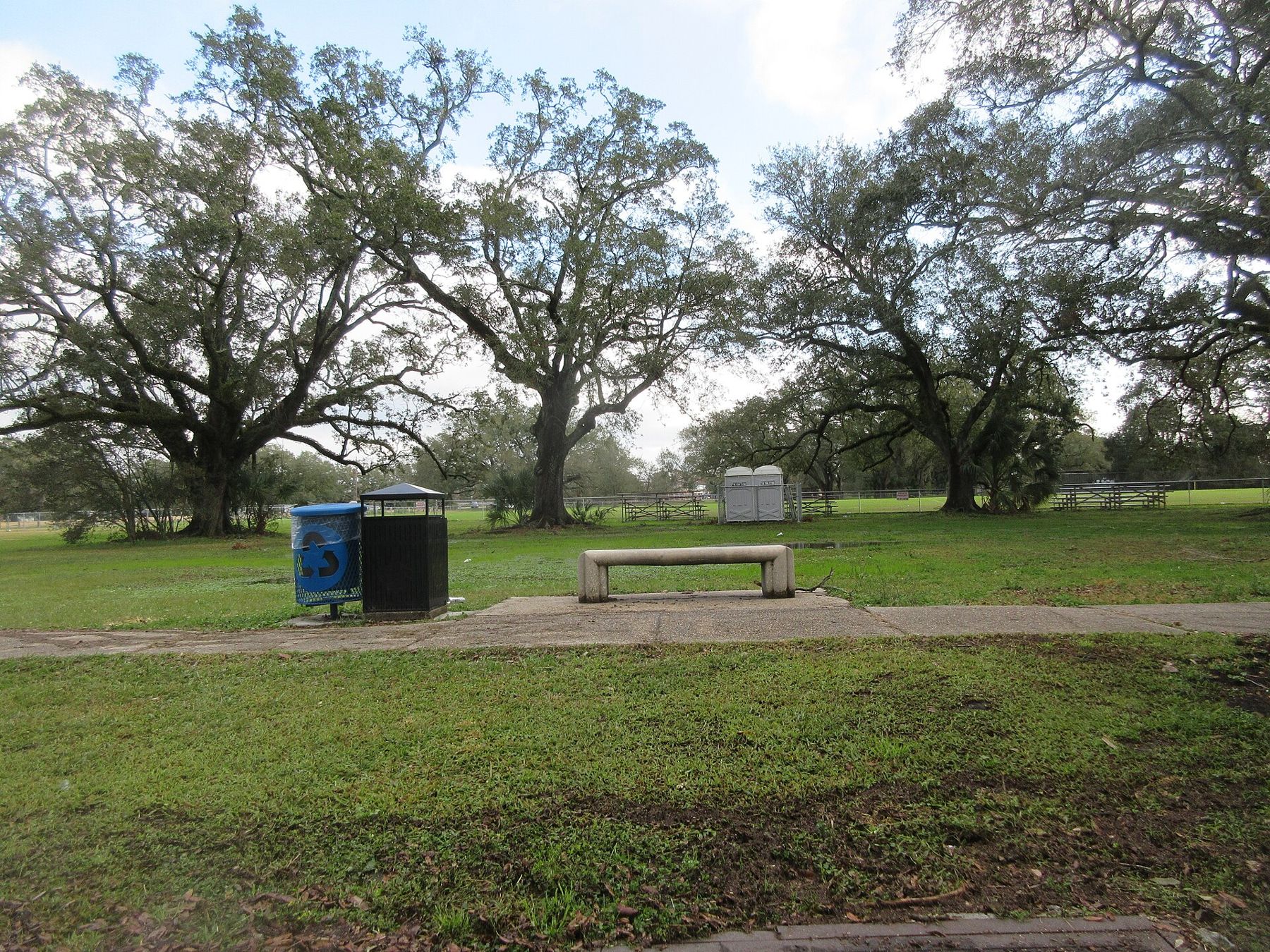
The park's lagoons were partly dug in the early twentieth century, when much of its present layout took shape with help from public works programmes. Many of the bridges, paths and pavilions date from that era, and they give the southern end of the park its gentle, old-fashioned character.
Gatepost notes
- The Canal Street streetcar line to City Park and the Esplanade Avenue bus both stop at the park's main entrance.
- Mosquitoes can be fierce near the water, especially at dawn and dusk in warm months; bring repellent.
- Do not feed the ducks, geese or turtles in the lagoons, and do not swim in them.
- In summer, walk early: by late morning the heat and humidity are heavy even in the shade.
For the sculpture garden by the museum, see the sculpture garden by the lagoon, and for the woods at the park's northern end, Couturie Forest and Laborde Mountain. The old waterway nearby is covered in Bayou St. John by paddle or on foot.